Blog

Petri Dishes

Petri Dish compatibility with automation and laboratory equipment – what you need to know

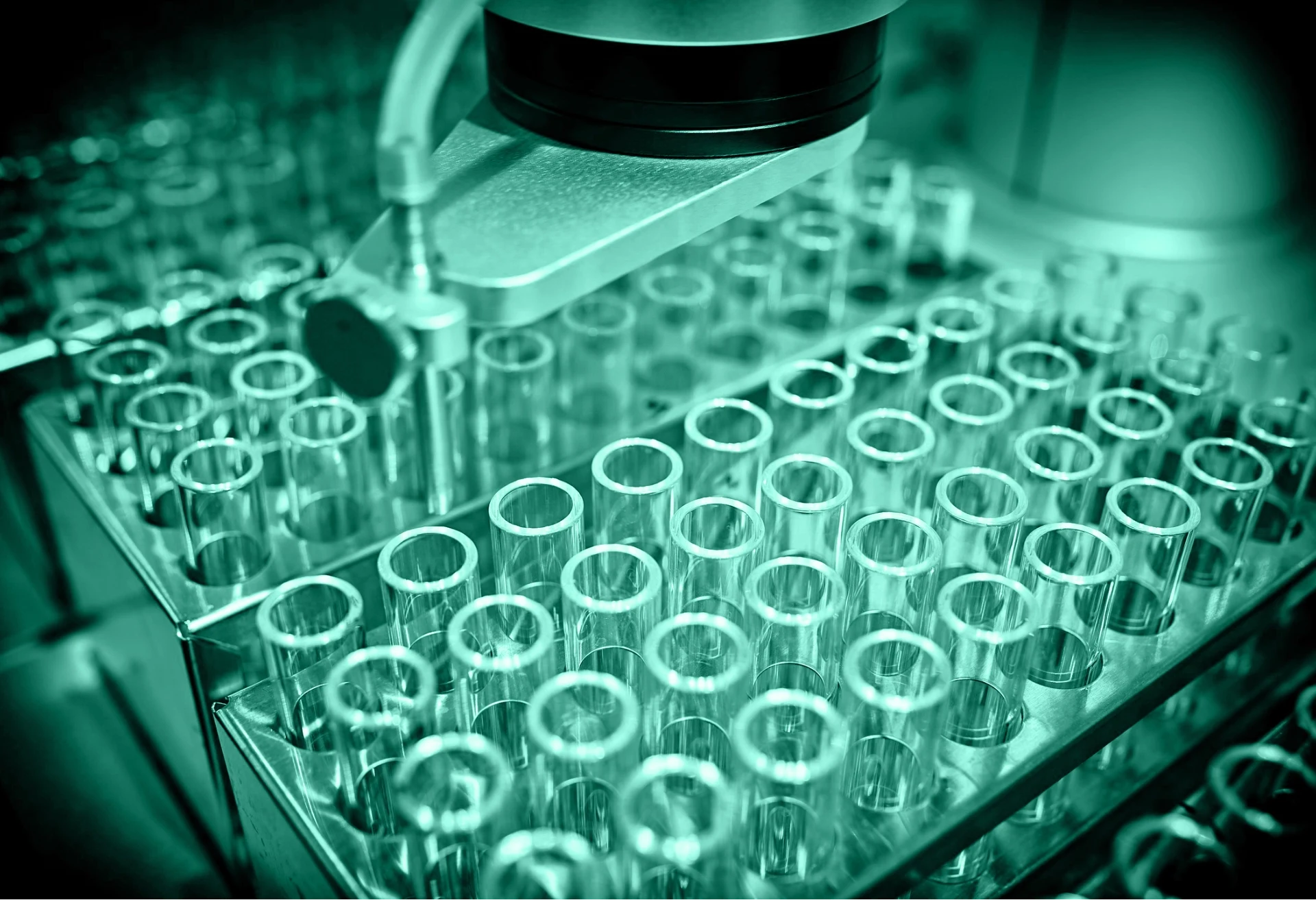
Modern laboratories are increasingly relying on the automation of analytical and microbial culture processes. Dispensing systems, laboratory robots, and automated incubators significantly improve efficiency while reducing the risk of human error. Along with the development of such technologies, the importance of compatibility between laboratory consumables and automated systems is growing. This also applies to widely used items such as Petri dishes, which are fundamental to microbial culture and biological analysis in many procedures.

Read more

probówki

Swab tubes: how to choose the right transport medium for PCR and seeds?

The selection of transport medium for swabs is a decision that determines sample quality even before it reaches the analyzer, because an inappropriate medium may degrade genetic material or destroy living microorganisms before the test is performed. PCR and culture impose fundamentally different, and sometimes mutually exclusive, requirements on transport media. Understanding these differences helps avoid costly pre-analytical errors that affect the reliability of results.

Read more

próbki krwi do badań

How plastic test tubes with screw caps minimize contamination risk in diagnostic laboratories

Sample contamination in diagnostic laboratories is one of the most serious threats to the reliability of test results. Even minimal contamination of biological material can lead to incorrect parameter interpretation, repeated analyses, and diagnostic delays. Therefore, the quality of disposable materials and the way samples are secured at every stage of processing are critically important. Properly designed plastic test tubes with screw caps are one of the key elements in reducing the risk of contamination.

Read more

laboratorium

Materials and manufacturing processes of sterile Petri dishes – what determines their quality?

In microbiological research, the quality of laboratory vessels directly affects the reliability of results. Petri dishes used for cultivating microorganisms must meet strict requirements regarding cleanliness, transparency, and mechanical stability. Even minor deviations in the manufacturing process can lead to distorted results or loss of research material. Therefore, both the selection of raw materials and control of every production stage are crucial. Read on to learn more!

Read more

plastic

Plastic test tubes in modern diagnostics – why they are replacing glass in laboratories

Modern laboratory diagnostics rely on precision, repeatability, and workplace safety. With the growing number of tests and increasing automation of processes, disposable materials that minimize the risk of pre-analytical errors are becoming more important. The shift from traditional glass solutions to plastics is not merely a matter of convenience, it results from real needs related to quality control and staff protection. Plastic test tubes have become the standard in many laboratories because they better meet the requirements of modern diagnostic procedures.

Read more

Ergonomics and workplace organisation in the laboratory – the role of laboratory containers

Efficient work in the laboratory depends not only on staff knowledge and the quality of equipment, but also on how the workspace is organised. Ergonomics has a direct impact on safety, the accuracy of tasks performed and the pace of research. One element that is often overlooked, yet plays a significant role in practice, is laboratory containers. Read on!

Read more