



Petri Dishes – Manufacturer
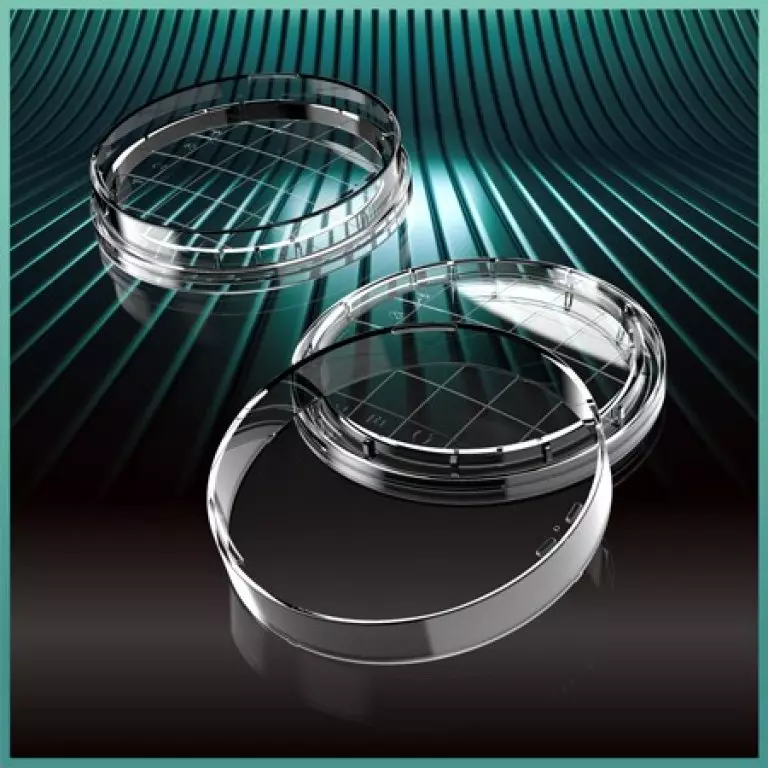
Our company offers high-quality Petri dishes, also known as Petri plates – disposable vessels commonly used in biological, chemical, and medical laboratories. Their design, consisting of a transparent bottom and a matching lid, was developed by the German microbiologist Julius Richard Petri and remains a standard in laboratory work today.
Our Petri dishes are made of durable polystyrene, ensuring their transparency and resistance to biological factors. Depending on the application, we offer Petri dishes in various diameters, heights, and configurations – including partitioned versions that allow for multiple tests on one dish.
Thanks to precise manufacturing and quality control, our Petri dishes meet the high demands of professional laboratory users. We encourage you to explore the details of our offer and choose models suited to specific research processes.
Petri dish supplier – applications
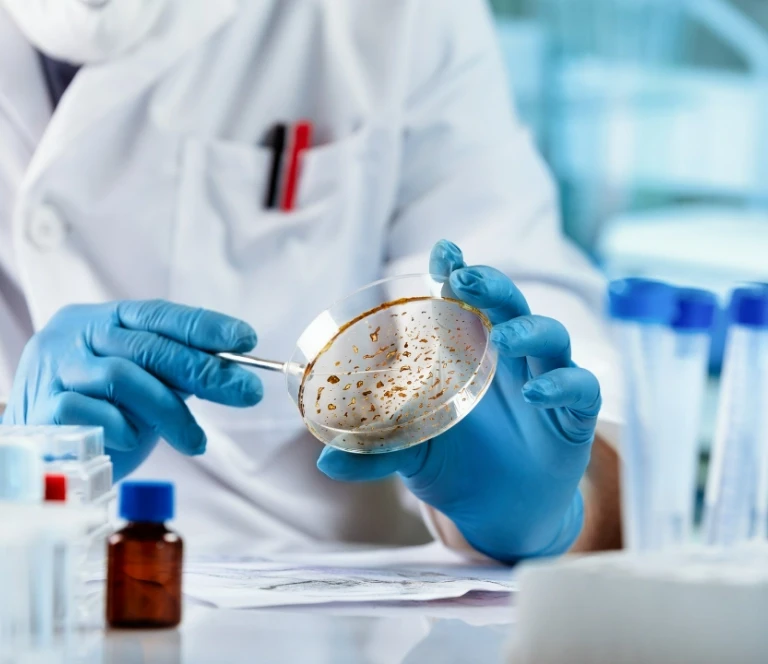
Plastic Petri dish is essential tools in medical, pharmaceutical, and chemical laboratories, serving to culture microorganisms and conduct various experiments. They are also used in education, serving as basic tools in teaching biology and microbiology. The availability of different sizes allows these dishes to be tailored to specific research needs. Their versatility also makes them useful in education for demonstrating biological processes. Their design allows for the observation of growth cultures in controlled conditions.
Noex Labware specializes in the production of plastic laboratory materials, offering a wide range of disposable products, including plastic test tubes. Our company emphasizes innovation and quality, collaborating with renowned raw material suppliers to ensure compliance with strict sanitary and hygienic standards. Noex Labware products are used across various industries, and our company is open to customizing the offer to meet individual client needs. We encourage orders and inquiries via phone or email.
Further unchanged. Additionally:
Petri dish suppliers as partners in continuous laboratory work
Stable deliveries and consistent quality are crucial in laboratory research, where precision and reliability of results are of great importance. Collaboration with a trusted petri dish supplier ensures continuity of work and minimizes the risk of downtime. This allows laboratories to focus on their core tasks, confident that they will not run out of materials for work. Supplier reliability directly translates to the efficiency and effectiveness of research activities.
Collaboration with a manufacturer allows for the standardization of laboratory procedures, which is invaluable for the repeatability of results. This ensures that laboratories can focus on research, confident in the quality of the materials used. Process standardization is essential for achieving reliable and comparable results, which is especially important in scientific and diagnostic research.
Plastic Petri dishes in routine and specialized studies
Petri dishes are used in both routine microbiological studies and specialized analyses requiring precise culture conditions. Their variety allows adaptation to the specific needs of each laboratory. This enables a wide range of studies, from simple diagnostic tests to complex scientific analyses. Flexibility in selecting the appropriate dishes facilitates work and increases laboratory efficiency.
The plastic used in the production of Petri dishes is significant in daily laboratory practice, as it ensures resistance to chemical and biological factors. This makes the dishes durable and reliable, which is important in heavily used laboratories. The durability of the material guarantees that the dishes can be used repeatedly without loss of quality, resulting in cost savings and work safety.
Sterile petri dishes manufacturer and microbiological safety
Sterility is essential in working with cultures of microorganisms and biological samples to avoid contamination and ensure result reliability. We offer sterile Petri dishes that meet the highest hygienic standards. This ensures the safety of both laboratory personnel and the samples themselves. Sterile working conditions are crucial for obtaining accurate and repeatable research results.
As a sterile Petri dishes manufacturer, we employ rigorous quality control procedures, ensuring that each batch of products meets the required norms and standards. This means laboratories can be sure they are using top-quality products, which is crucial for precise and reliable analyses. Attention to quality at every production stage translates to customer trust in the brand.
Disposable Petri dishes in laboratories with high sanitary regimes
Disposable Petri dishes significantly reduce the risk of cross-contamination, which is crucial in laboratories with high sanitary regimes. The use of disposable products eliminates the need for time-consuming sterilization. This allows laboratories to focus on conducting research without worrying about sample contamination.
Simplifying procedures with disposable Petri dishes saves the laboratory personnel's time. This allows laboratories to increase work efficiency and focus on more complex research tasks. Reducing the number of tasks related to preparing equipment for work translates to more time dedicated to actual research, which is vital for scientific progress.
Dimensional consistency of Petri dishes and compatibility with laboratory equipment
Dimensional matching of Petri dishes to incubators, stands, and automated systems is crucial for smooth laboratory work. We offer products that are compatible with a variety of laboratory equipment. This ensures that laboratories can seamlessly integrate new dishes with existing equipment, ensuring continuity of work and minimizing error risk.
Consistent dimensional parameters are essential in serial work, where any deviation can affect research results. We ensure product dimension consistency, which is crucial for maintaining quality standards. Consistent product dimensions allow for precise experiment planning and repeatability, which is key for obtaining reliable scientific results.
Petri dishes as tools supporting the repeatability of research results
The quality of materials used in Petri dish production directly impacts the stability of microorganism culture conditions. High-quality plastics ensure an optimal environment for culture growth. This allows for consistent research results, which is critical for the reliability of scientific analyses.
Constructive details of Petri dishes play a crucial role in comparative analyses, where precision and repeatability are necessary. We pay attention to every aspect of product design to meet professional standards. This ensures that laboratories can trust they are using the highest quality tools, which translates to the accuracy and reliability of research results.
FAQ
How do plastic Petri dishes differ from glass models?
Plastic Petri dishes are lighter, disposable, and do not require washing or sterilization after use, significantly simplifying laboratory work. Made of polystyrene, they provide high transparency and resistance to biological factors, making them ideal for routine and diagnostic studies.
How to choose the appropriate size of a Petri dish for a specific study?
The selection of Petri dish diameter and height depends on the type of analyses conducted and the amount of biological material. Smaller dishes are often used in serial studies and screening tests, while larger models allow for more extensive cultures and observation of microorganism growth.
Why is the sterility of Petri dishes crucial in microbiology?
Sterile Petri dishes eliminate the risk of introducing unwanted microorganisms into cultures, directly impacting the reliability of research results. Maintaining sterile working conditions is essential in diagnostics, scientific research, and laboratories with high sanitary regimes.
Do disposable Petri dishes support laboratory work standardization?
Yes, disposable Petri dishes with consistent dimensional parameters make it easier to maintain procedural consistency in research. Their use allows for better quality control, compatibility with laboratory equipment, and repeatable results, which are crucial in serial work and comparative analyses.